
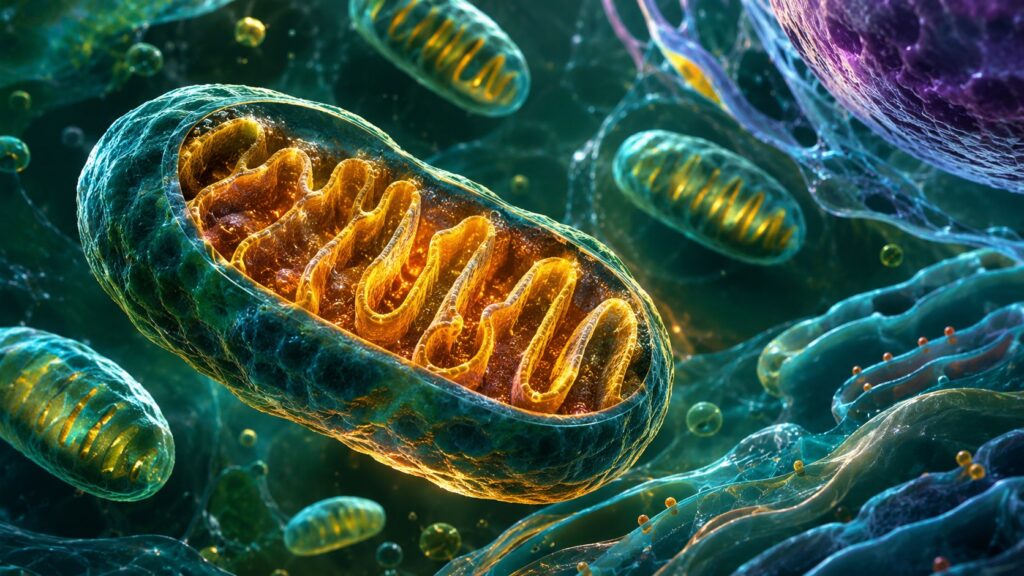
What Cellular Aging Research Can Teach Us About Peptides, Mitochondria and Biological Resilience
Inside nearly every nucleated cell in the human body, microscopic structures perform a continuous balancing act between energy production, molecular communication, and responses to biological stress. These structures, known as mitochondria,

Why Two Laboratories Can Study the Same Peptide and Reach Different Conclusions: The Hidden Role of Experimental Conditions
Two independent laboratories investigate the same peptide and publish different findings. One reports a measurable change in a cellular response, while the other observes little difference from its control group. Both research teams use mod

The Peptide Study Reported an Improvement, but Who Was Actually Tested? Why AOD-9604 and Semaglutide Tell Different Stories About Research Evidence
A research headline can report an improvement without answering the question that matters most: who was actually studied, and what did the improvement mean? The result might come from an isolated cell experiment, an animal model, a small gr

The Peptide Experiment Produced Two Different Results From the Same Sample: Why Laboratory Reproducibility Depends on More Than Chemical Purity
Two laboratories can begin with material from the same characterized peptide sample and still obtain different experimental results. One team may observe a substantial change in a cellular marker, while another reports little or no response

The Biological Clock Is More Complicated Than a Sleep Score: What Circadian Research Reveals About Hormones, Metabolism and Laboratory Evidence
Two laboratories can examine the same biological process and report different results without either experiment being obviously defective. Sometimes the difference comes from the instruments, samples or analytical methods. In other cases, a
Three Studies, One Word: Why Collagen, Copper Peptides, and Prescription Peptide Research Tell Very Different Scientific Stories
The word “peptide” appears in discussions about skin care, nutritional supplements, prescription medicines, and experimental laboratory compounds. That shared vocabulary can make unrelated scientific findings sound interchangeable. A study

What Cellular Aging Research Can Teach Us About Peptides, Mitochondria and Biological Resilience
Inside nearly every nucleated cell in the human body, microscopic structures perform a continuous balancing act…
Why Two Laboratories Can Study the Same Peptide and Reach Different Conclusions: The Hidden Role of Experimental Conditions
Two independent laboratories investigate the same peptide and publish different findings. One reports a measurable change…
The Peptide Study Reported an Improvement, but Who Was Actually Tested? Why AOD-9604 and Semaglutide Tell Different Stories About Research Evidence
A research headline can report an improvement without answering the question that matters most: who was…
The Peptide Experiment Produced Two Different Results From the Same Sample: Why Laboratory Reproducibility Depends on More Than Chemical Purity
Two laboratories can begin with material from the same characterized peptide sample and still obtain different…
The Biological Clock Is More Complicated Than a Sleep Score: What Circadian Research Reveals About Hormones, Metabolism and Laboratory Evidence
Two laboratories can examine the same biological process and report different results without either experiment being…
Three Studies, One Word: Why Collagen, Copper Peptides, and Prescription Peptide Research Tell Very Different Scientific Stories
The word “peptide” appears in discussions about skin care, nutritional supplements, prescription medicines, and experimental laboratory…






Most Popular Posts



Stay Always In Touch!
Subscribe To Our
Newsletter.
The Biological Clock Is More Complicated Than a Sleep Score: What Circadian Research Reveals About Hormones, Metabolism and Laboratory Evidence
Two laboratories can examine the same biological process and report different results without either experiment being obviously defective. Sometimes the difference comes from the instruments, samples or analytical methods. In other cases, a

Are the Best Fitness Apps Worth Downloading?
Best fitness apps for 2024 reviewed. Explore top free options for varied workouts and effective weight loss. Stay fit smartly.

Is the secret to getting fit in your daily routine?
The secret to getting fit involves crafting a personalized fitness plan, setting goals, embracing variety, and maintaining motivation.

Are health and wellness apps worth using daily?
Health and wellness apps in 2024 offer top features, celebrity endorsements, and real user reviews. Improve lifestyle and mental well-being.